
August has repeatedly proven a decisive month in the military history of the United States. From the earliest days of the Revolution through the great conflicts of the twentieth century, American service members have faced critical tests during these late-summer weeks. The events of August reveal enduring qualities of the American character: perseverance under adversity, bold leadership, and the willingness of ordinary citizens to defend the principles of liberty and self-government.
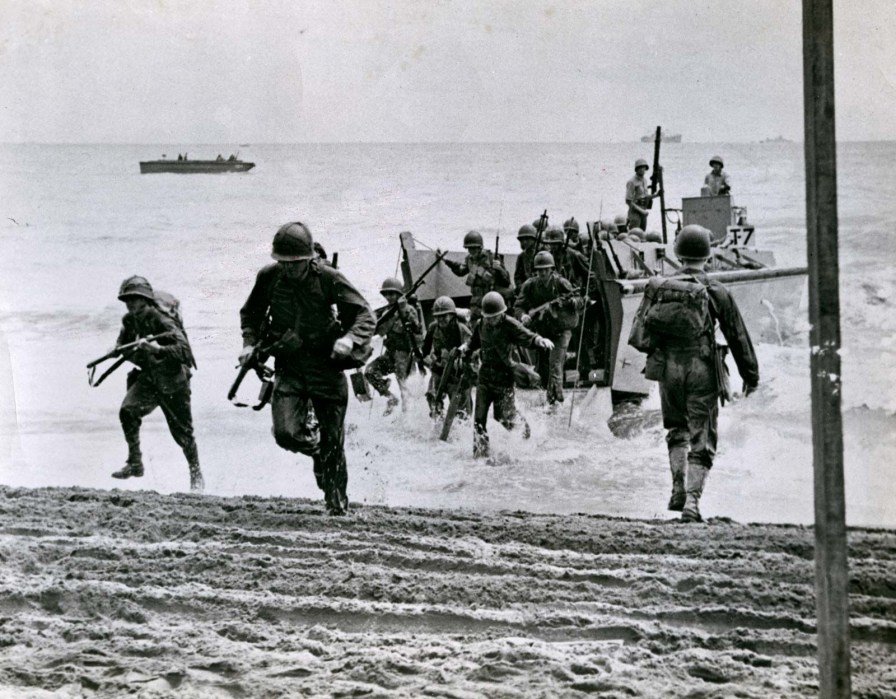
In late August 1776, the Battle of Long Island (also known as the Battle of Brooklyn) became the first major engagement after the Declaration of Independence. British forces under General William Howe outflanked George Washington’s Continental Army, forcing ~ acostly American defeat. Yet the campaign is remembered less for the battlefield loss than for Washington’s masterful evacuation _ of approximately 9,000 troops across the East River to Manhattan under cover of night and fog on August 29-30. That skillful with- .. drawal preserved the Continental Army and, with it, the cause of 4 independence itself. The episode demonstrated that American resolve could survive tactical setbacks and continue the fight for a ~ free republic.
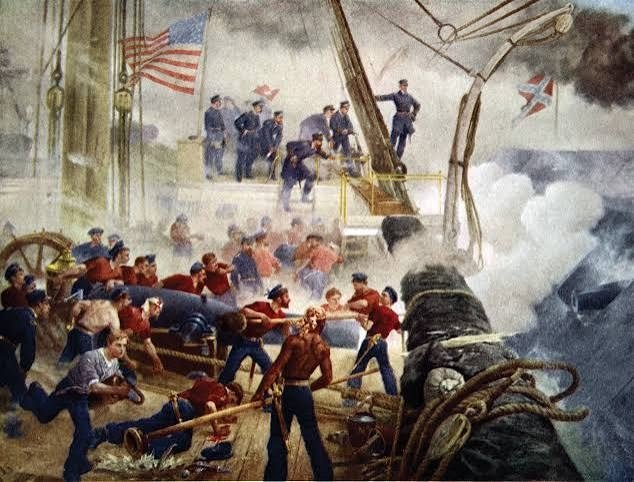
Nearly a century later, on August 5, 1864, Rear Admiral David Farragut led a Union fleet into Mobile Bay, Alabama. Facing Confederate forts, mines (then called torpedoes), and the ironclad CSS Tennessee, Farragut is remembered for the order that has entered American legend: “Damn the torpedoes, full speed ahead!” The Union victory closed one of the last major Confederate ports on the Gulf Coast and tightened the naval blockade that was slowly strangling the Southern war effort. Farragut’s boldness and the courage of the sailors under his command helped preserve the Union and the constitutional government established by the Founders.
In the Pacific during World War II, August 7, 1942, marked the beginning of the Guadalcanal campaign. Elements of the 1st Marine Division landed on the island in the Solomon chain in the first major Allied offensive against Japanese forces. The objective was an unfinished airfield that would become known as Henderson Field. What followed was a six-month struggle of jungle combat, naval battles, and air attacks under harsh conditions. American Marines, soldiers, sailors, and airmen endured malaria, shortages, and determined enemy counterattacks. Their eventual success marked a strategic turning point: for the first time, Japanese expansion was halted and the initiative shifted decisively toward the Allies. Guadalcanal remains a powerful symbol of American endurance and the fighting spirit of the Marine Corps and the broader U.S. military.
Other August milestones reinforce the pattern. On August 16, 1777, American militia under General John Stark defeated a British and German foraging force at the Battle of Bennington, providing a critical morale boost and contributing to the later American victory at Saratoga. Across these widely separated campaigns, a common thread appears: citizen-soldiers and professional service members Ky , alike answering the call to defend the nation and its founding ideals.
These August chapters remind veterans and their families that the freedoms enjoyed today were secured through the steady courage of earlier generations. From the retreat that saved the Revolutionary Ar- my, through the bold naval action that helped reunite the country, to the hard-fought island campaign that turned the tide in the Pacific, American service members have demonstrated that liberty is worth the sacrifice required to preserve it. Their example continues to guide and inspire the members of VFW Post 8555.