
VFW Post 8555 is hosting a Fried Chicken Dinner on Sunday, October 4, 2026.
Serving is from 10:00 AM to 1:00 PM at the Post home, 715 Houston Street, Poth, Texas. Tickets are $15. All are welcome.
Come out, enjoy a meal, and support the Post. Call (830) 484-7317 for more information.
- Details
- Written by: Johnathon Farrell
- Category: News
- Hits: 95
September has repeatedly proven a decisive month in the military history of the United States. From the founding generation through the great conflicts of the twentieth century, American service members have faced critical tests in these early-autumn weeks. The events of September reveal enduring qualities of the American character: perseverance under adversity, bold leadership, and the willingness of ordinary citizens to defend the principles of liberty and self-government.
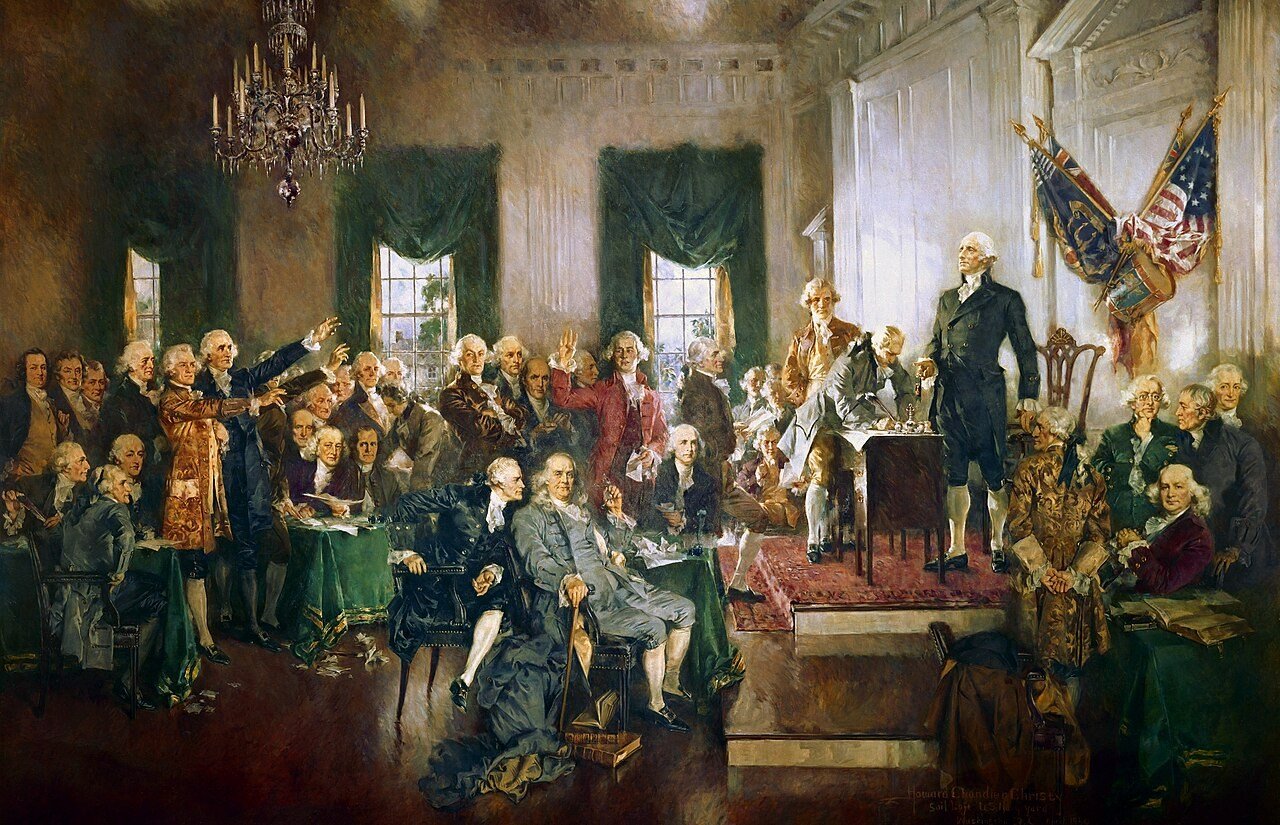
On September 17, 1787, the Constitutional | Convention in Philadelphia signed the Con- | stitution of the United States. Constitution Day is not a battle anniversary, yet it belongs in a veterans’ newsletter. The oath _ we took was to that document. The wars we fought were fought to preserve the republic it created. For members of VFW Post uniform was never an end in itself. It was a means of defending a free government of laws. When we open a meeting with the Pledge, we are not repeating empty words. We are restating the same promise.
The same date, September 17, 1862, saw the Battle of Antietam near Sharpsburg, Maryland, the bloodiest single day in American military history. More than 22,000 soldiers were killed, wounded, or missing. The Union Army of the Potomac under Major General George B. McClellan met General Robert E. Lee’s Army of Northern Virginia in the cornfields, along the Bloody Lane, and at Burnside’s Bridge. The tactical result was a draw. The strategic result was not. Lee withdrew to Virginia. President Abraham Lincoln used the moment to issue the preliminary Emancipation Proclamation. Antietam did not end the Civil War, but it changed the war’s meaning and preserved the Union’s chance to see it through.
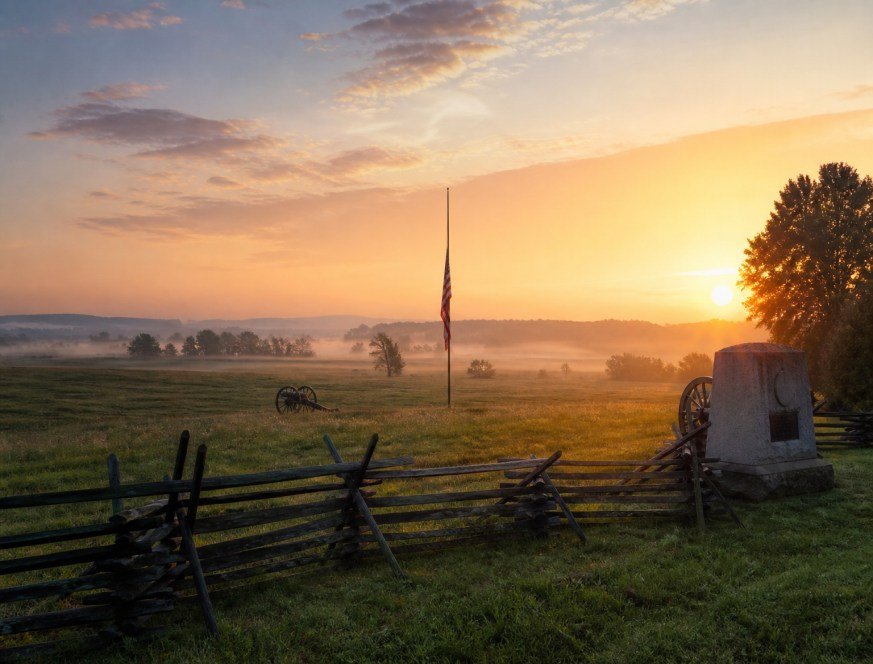
September also marks the First Battle of Saratoga on September 19, 1777, the opening clash of the campaign that would convince France the American cause could win. On September 15, 1950, United Nations forces under General Douglas MacArthur landed at Inchon, reversing the course of the Korean War. On September 26, 1918, the Meuse-Argonne Offensive began, the largest American operation of the First World War. These widely separated campaigns share a common thread: citizen-soldiers answering the call to defend the nation and its founding ideals.
These September chapters remind veterans and their families that the freedoms enjoyed today were secured through the steady courage of earlier generations. Their example continues to guide and inspire the members of VFW Post that history is not a museum piece. It is the long story of people who showed up when it counted.
- Details
- Written by: Johnathon Farrell
- Category: News
- Hits: 77
Comrades, Auxiliary members, and friends of Post 8555,
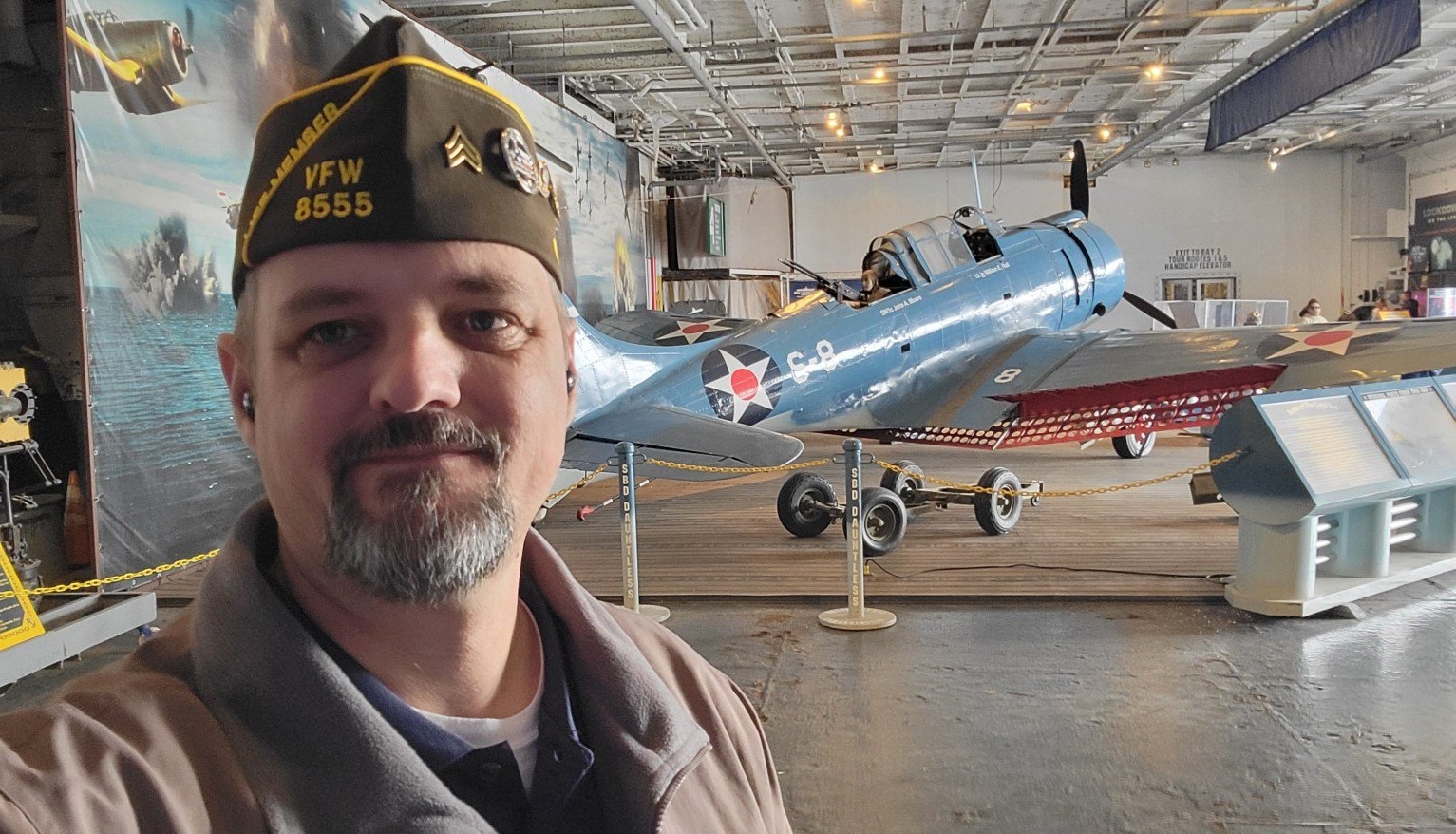
September asks a great deal of our memory, and it gives us a great deal of work to do. This month we mark twenty-five years since the attacks of September 11, 2001. We pause on National POW/MIA Recognition Day for every American still unaccounted for. On the 29th we celebrate the birthday of the Veterans of Foreign Wars itself—127 years of veterans looking after veterans. Those observances are not museum pieces. They are the reason this Post exists on Houston Street in Poth.
I am pleased to report on our District Post inspection. All required documents were present, reviewed, and approved by the District Junior Vice. That result belongs to the officers, trustees, and members who keep the books, the membership files, and the hall in order. Thank you. Inspections are how District 20 confirms that a Post is fit to serve veterans and to represent the VFW in its town.
District 20 has a full calendar this fall, and Post 8555 should be in the room. Saturday, September 19, is District Training at VFW Post 4815. Saturday, September 26, Post 9174 hosts Steak Night at Lackland from 3:00 to 7:00 PM. Thursday, October 8, Mission ND San Antonio is at IBC Bank on Loop 410 from 6:00 to 8:00 PM for veterans and service members; RSVP is required. Thursday, October 15, Broken Warriors Angels holds a Health and Wellness Fair in San Antonio at 9:00 AM. On Saturday, November 5, District Training is hosted here at Post 8555 in Poth. Voice of Democracy, Patriot’s Pen, and Teacher Award packets turn in at Post 4676 on Saturday, November 14, from 3:00 to 6:00 PM, with Post entries due October 31. Sunday, November 15, is the District bowling tournament. Saturday, November 28, is the District 20 Joint Meeting at Post 8541 at 10:00 AM; the Commander, Senior Vice, and/or Junior Vice should attend. Saturday, December 5, District 20 holds its Christmas Party at Post 9186 from 5:00 to 11:00 PM. That party is a District event. Our Post gun raffle drawing is a separate Post event the same date, time still to be announced.
Our general membership meeting is Monday, September 14, at 7:30 PM at the Post hall, 715 Houston Street. Guests are welcome. If you know a veteran who served overseas or earned a campaign medal, bring them. A DD-214 is often enough to start the paperwork that night. Family members can ask the Auxiliary how to join. Sunday, October 4, we serve the Fried Chicken Dinner from 10:00 AM to 1:00 PM; tickets are $15. The Auxiliary hosts Lotteria at the Post on Sunday, September 27. Food distribution continues on the first Wednesday of the month; be at the Post at 8:00 AM if you can help set up.
I am proud of this Post. Come to the meeting. Bring someone with you. Let us keep the faith with those who never came home, and with those who still need us here in Wilson County.
Thank you for all you do.
In comradeship and service, Johnathon Farrell Commander VFW Post 8555 Wilson County Memorial Post
- Details
- Written by: Johnathon Farrell
- Category: News
- Hits: 86
Friday, September 11, 2026, is Patriot Day, and it is the twenty-fifth anniversary of the morning the United States was attacked. On September 11, 2001, nineteen terrorists hijacked four airliners. Two were flown into the World Trade Center in New York. One struck the Pentagon. The fourth, United Flight 93, was forced down in a field near Shanksville, Pennsylvania, after passengers and crew fought back. Nearly three thousand people were killed. They were civilians at their desks, service members and civilian employees at the Pentagon, first responders who ran toward the fire, and the men and women aboard those aircraft.
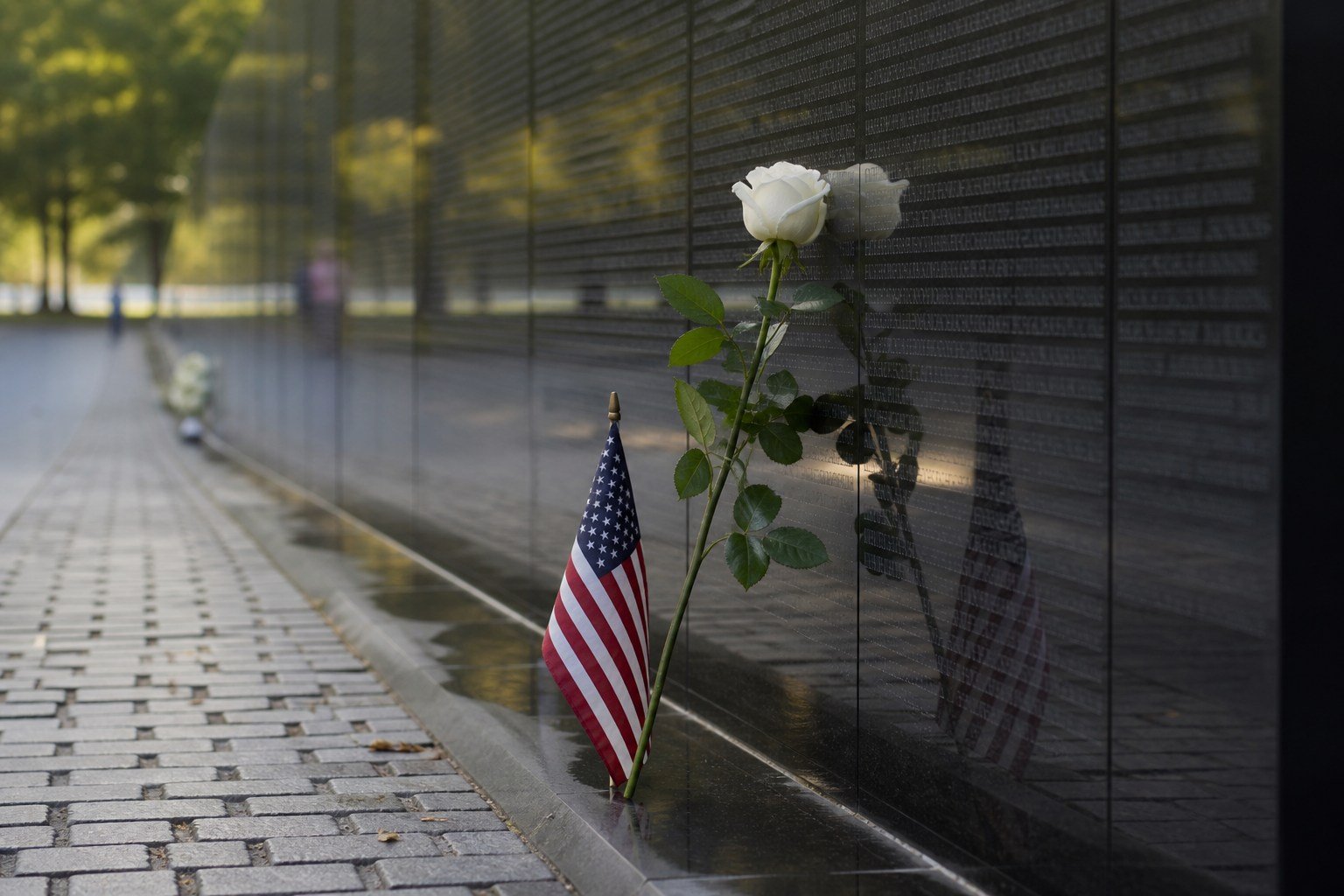
Congress established Patriot Day so the nation would not let the date slip into ordinary time. Flags are flown at half-staff. At 8:46 a.m. Eastern—the minute the first aircraft struck the North Tower—many communities observe a moment of silence. The point is not ceremony for its own sake. It is to name what was taken, and to remember who answered.
For this Post, the anniversary is not abstract. A generation of VFW members earned their eligibility in the wars that followed: Afghanistan, Iraq, and the long fight against the network that planned the attacks. Some of our comrades were already veterans on that Tuesday morning and watched a new war begin. Others were still in high school. All of us live in a country that was forced, in a single morning, to remember that liberty has enemies and that the people who defend it have names, families, and zip codes of their own.
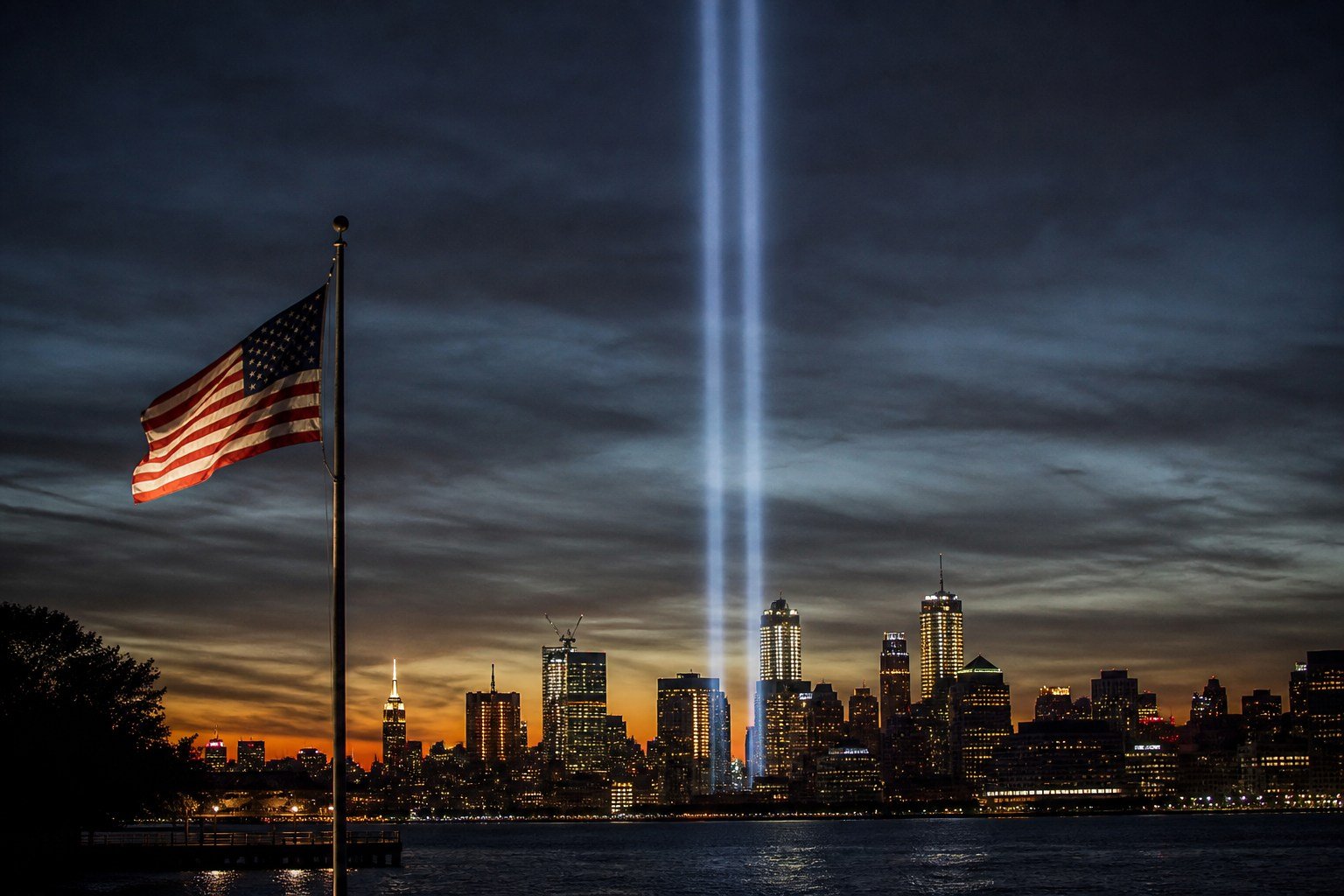
Twenty-five years is long enough for children who were not yet born in 2001 to vote, to enlist, and to sit in this hall. It is not long enough to forget. The proper tribute is not only a lowered flag. It is the same work we already claim as our own: looking after the veteran who came home changed, teaching the next generation what the date means, and remaining a Post that a Gold Star family can walk into without having to explain themselves.
On September 11, fly the flag. Pause at 8:46 if you can. If you know a family that lost someone that day, or in the wars that followed, check on them. Then come to the Post on the 14th. Memory without comradeship is only a calendar square. We can do better than that.
- Details
- Written by: Johnathon Farrell
- Category: News
- Hits: 88
National POW/MIA Recognition Day is observed on the third Friday of September. This year that Friday is September 18. The black-and-white flag that flies beneath, or beside, the Stars and Stripes carries a simple line: You Are Not Forgotten. It is not a slogan. It is a promise the United States made to every service member sent in harms way, and to the families who still keep a place at the table.
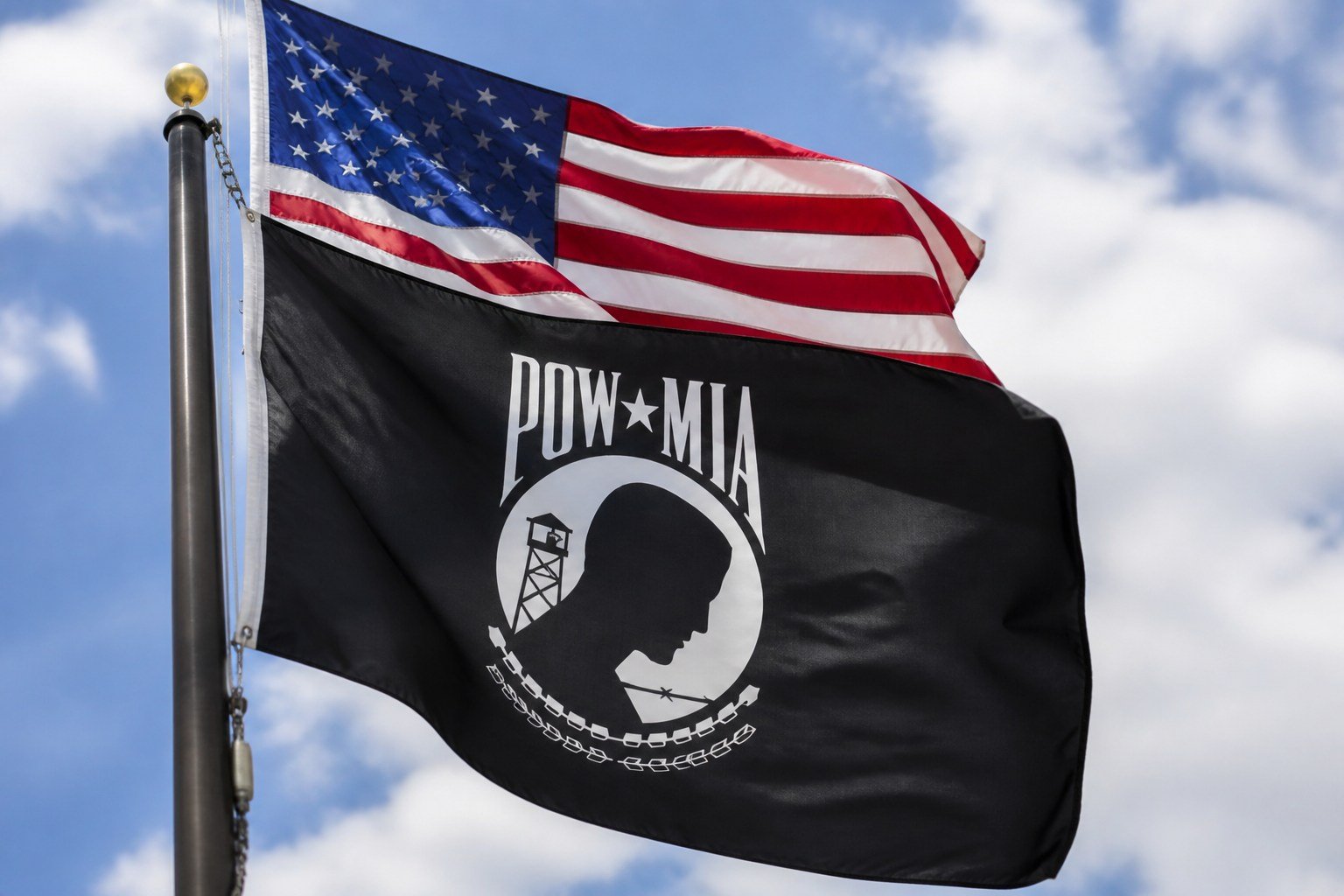
Americans remain unaccounted for from World War Il, the Korean War, the Vietnam War, the Cold War, and later conflicts. Accounting work continues through the Defense POW/MIA Accounting Agency, through field recoveries, and through the stubborn patience of families who have waited decades for a name, a grave, or a certainty. The VFW was built in part by men who came home from foreign wars determined that those who did not would not be filed away. That work is unfinished, and unfinished work is our business.
The POW/MIA flag was created in 1971 for the National League of Families of American Prisoners and Missing in Southeast Asia. In 1990 Congress recognized it as a symbol of the nation’s commitment to recovering those still missing. It is flown on designated days, including National POW/MIA Recognition Day, Armed Forces Day, Memorial Day, Flag Day, Independence Day, and Veterans Day. For many Posts, including ours, it flies more often than the law requires. It should. A flag that only comes out once a year is easy to overlook. A flag that stays in sight keeps the promise visible.
On the 18th, fly the POW/MIA flag. If you have one, bring it to the Post. If a chair in your house still belongs to someone who never came back, you are among friends here. Post 8555 will keep that chair in our common memory. We do not need a parade to do it. We need to say their names, support the accounting mission, and refuse the easy habit of moving on. Talk with younger members and guests about why the black flag matters. Memory that is not passed on fades faster than we like to admit.
September 29 is also the birthday of the Veterans of Foreign Wars, founded in 1899 in Columbus, Ohio, by veterans of the Spanish-American War and the Philippine campaigns. One hundred twenty-seven years later the work is the same: look after those who served on foreign soil, and do not forget those who never came home.
- Details
- Written by: Johnathon Farrell
- Category: News
- Hits: 75